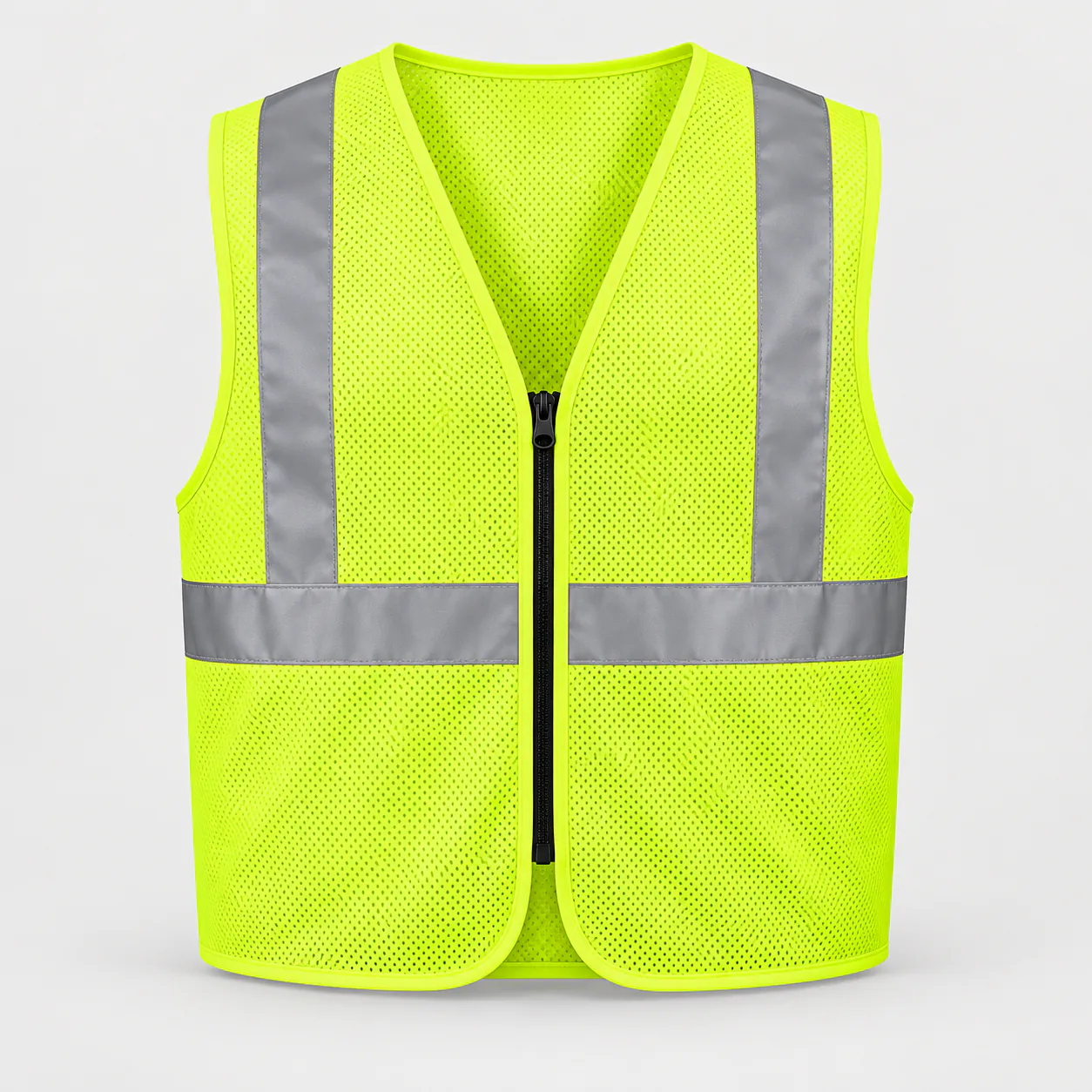
Class 2 Economy Mesh Vest
- Material
- 110–130 GSM mesh
- Use
- Warm Weather
Search by product, use or material. Open a style to review known details, original images and customization routes.
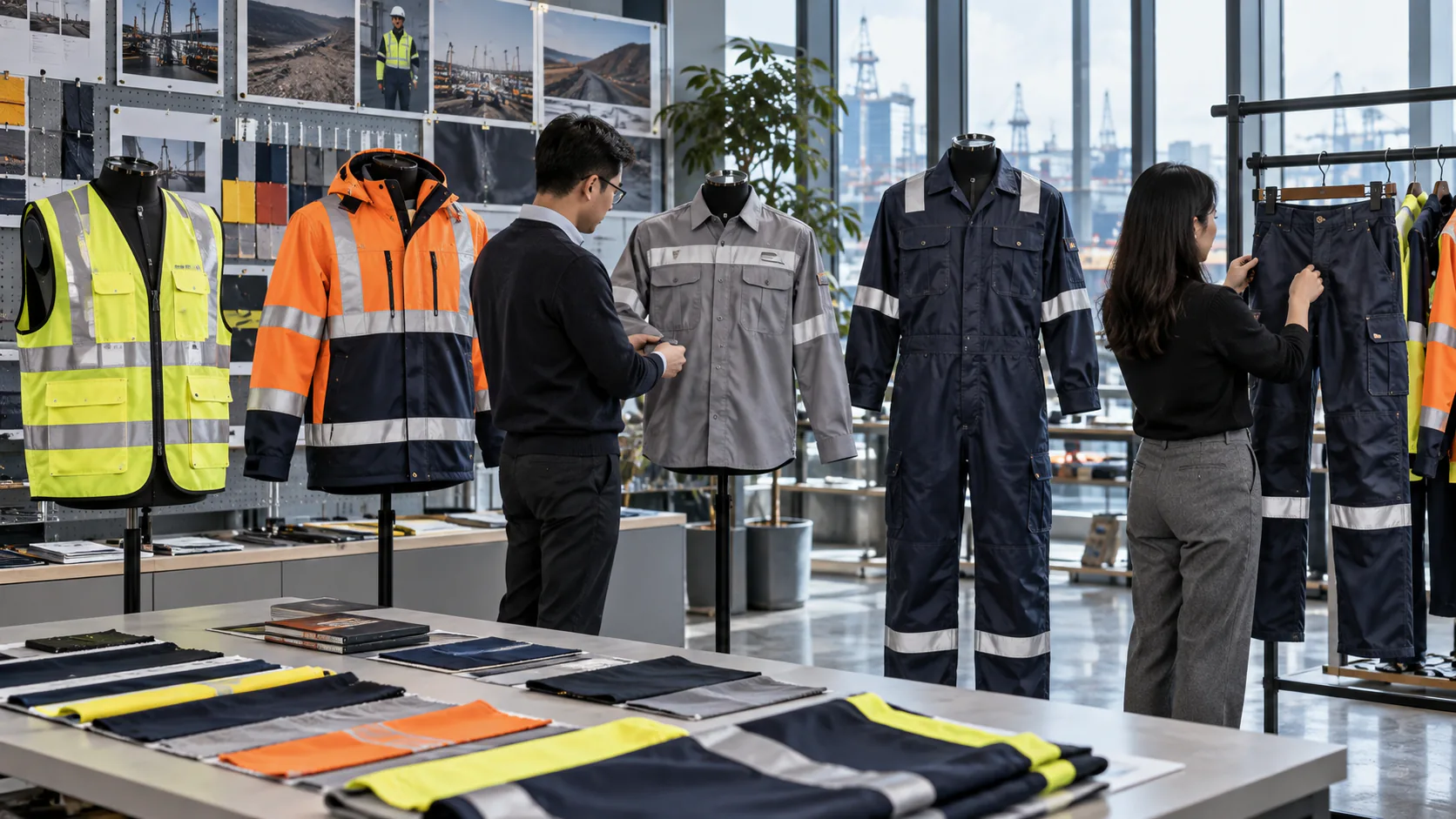
Compare intended use, mesh or solid construction, pocket access and layering needs before reviewing the exact style.
Confirm each finished configuration and its applicable documents before making a performance claim.
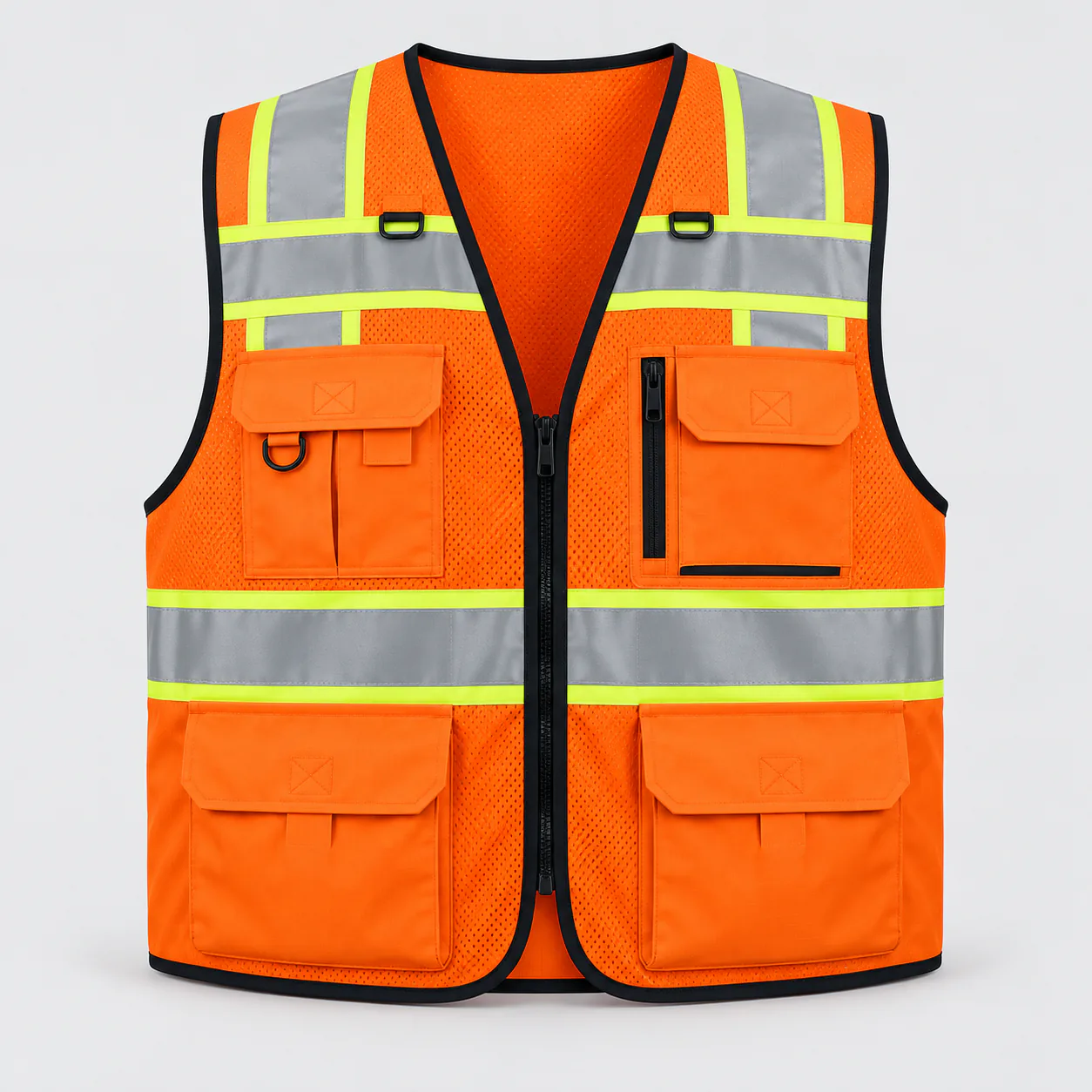
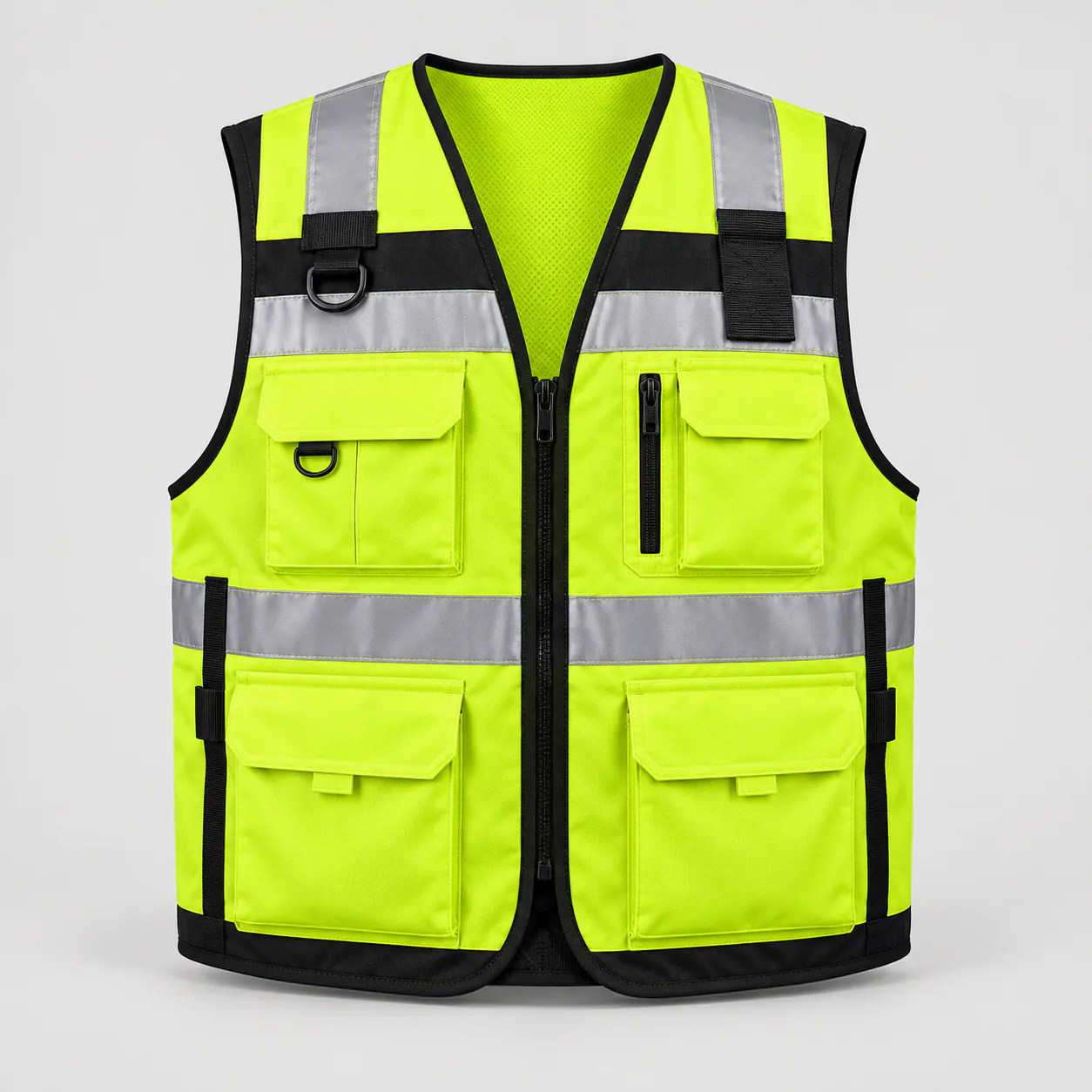
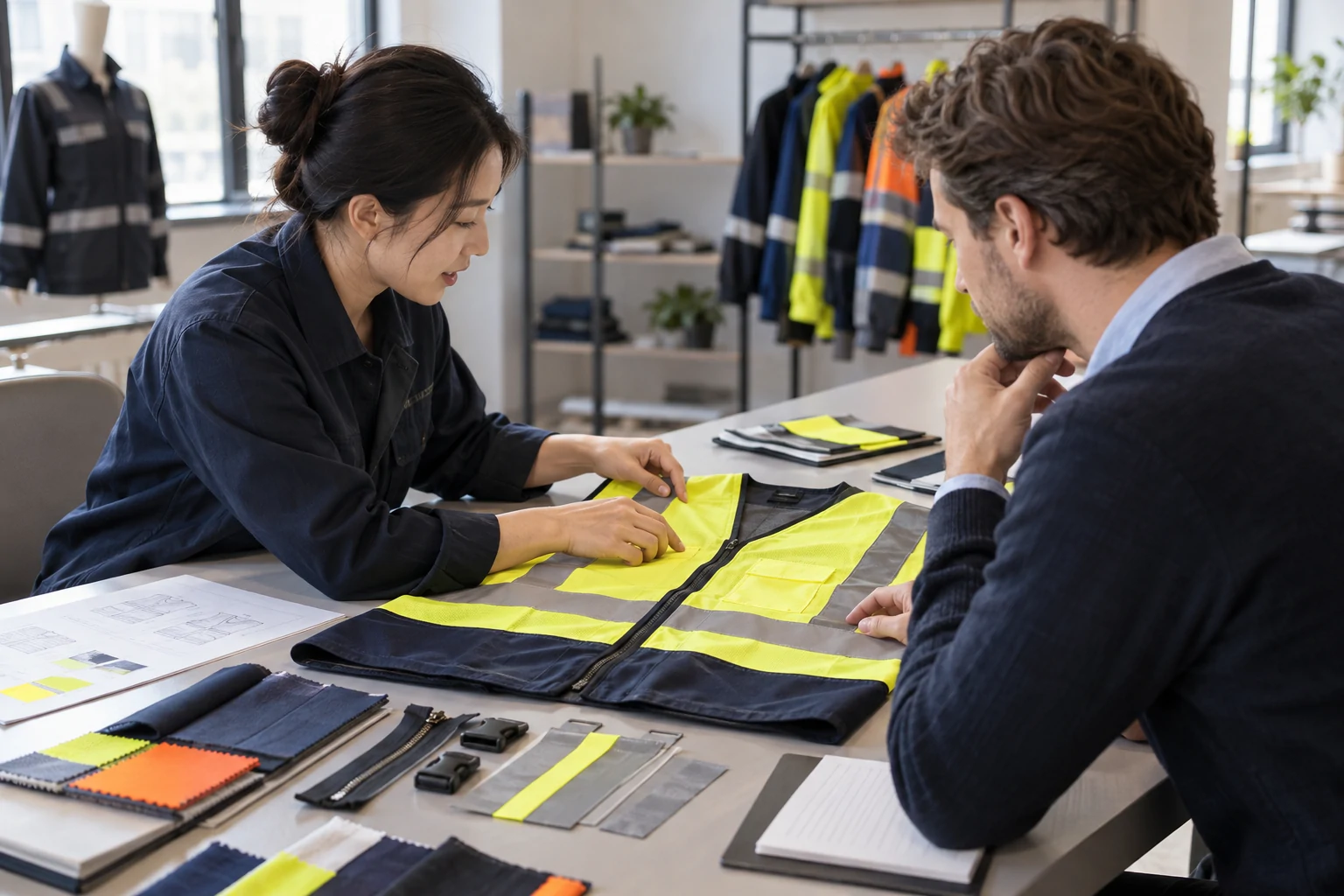
Safety vests are the quickest way to put a crew in high-visibility clothing and the easiest garment to brand. Start with the class the job needs, then choose fabric, pocket layout and any breakaway feature.
| Style | Material | Use | Direction |
|---|---|---|---|
| HV-V101 Mesh Vest | 110–130 GSM mesh | Warm Weather | ANSI Class 2 |
| HV-V212 Surveyor Vest | Solid knit or woven | All Season | ANSI Class 2 |
| HV-V305 Breakaway Vest | Polyester mesh | Warm Weather | ANSI Class 2 |
Under the MUTCD, workers within the right-of-way in a temporary traffic control zone need ANSI/ISEA 107 Class 2 or 3, and a vest alone cannot be Class 3. For other work, the employer’s hazard assessment and site rules decide.
A surveyor vest uses solid fabric and a storage layout for radios, tablets, field books and pens; the HV-V212 carries ten pockets. A mesh vest such as the HV-V101 is lighter and cooler, with an essential four-pocket layout for ID, radio and small items.
Yes. Heat transfer, screen print, embroidery and woven patches are reviewed against the vest fabric, and open mesh suits transfers best. Logos sit on background fabric, clear of retroreflective bands, and the finished vest is checked against its class in the smallest size.
The standard factory MOQ is 100 pieces, and fully customized products have an MOQ of 300–500 pieces, depending on the approved specification. In-stock products ship within 7 days, customization of in-stock products is completed within 15 days, and full customization follows a 25-day schedule. Any style-specific exception is confirmed in the quotation, and samples and pre-production samples are confirmed case by case through an inquiry.
Record climate, movement, tools, layers and any site requirements.
Review coverage, storage, closure, reflective layout and wearer comfort.
Match the finished colour, material, size range and documentation to the intended use.