 Standards · 6 min read
ANSI Class 2 vs Class 3: What Should a Buyer Confirm?
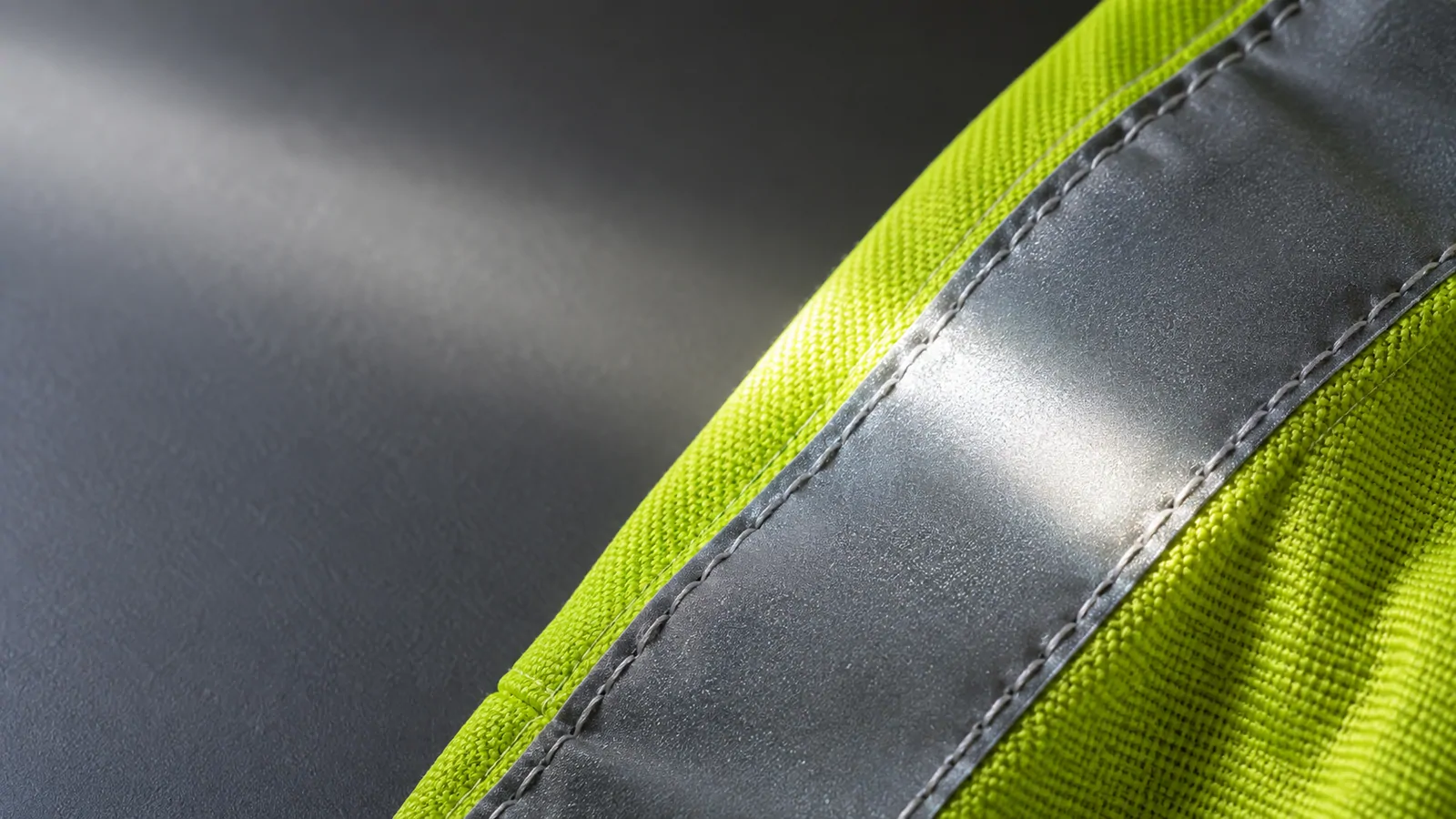
Start with the work zone and the employer’s risk assessment, then confirm the finished garment—not only the tape or fabric.
Read guideUse the guides to prepare product questions, compare options and record the decisions required before sampling.
 Standards · 6 min read
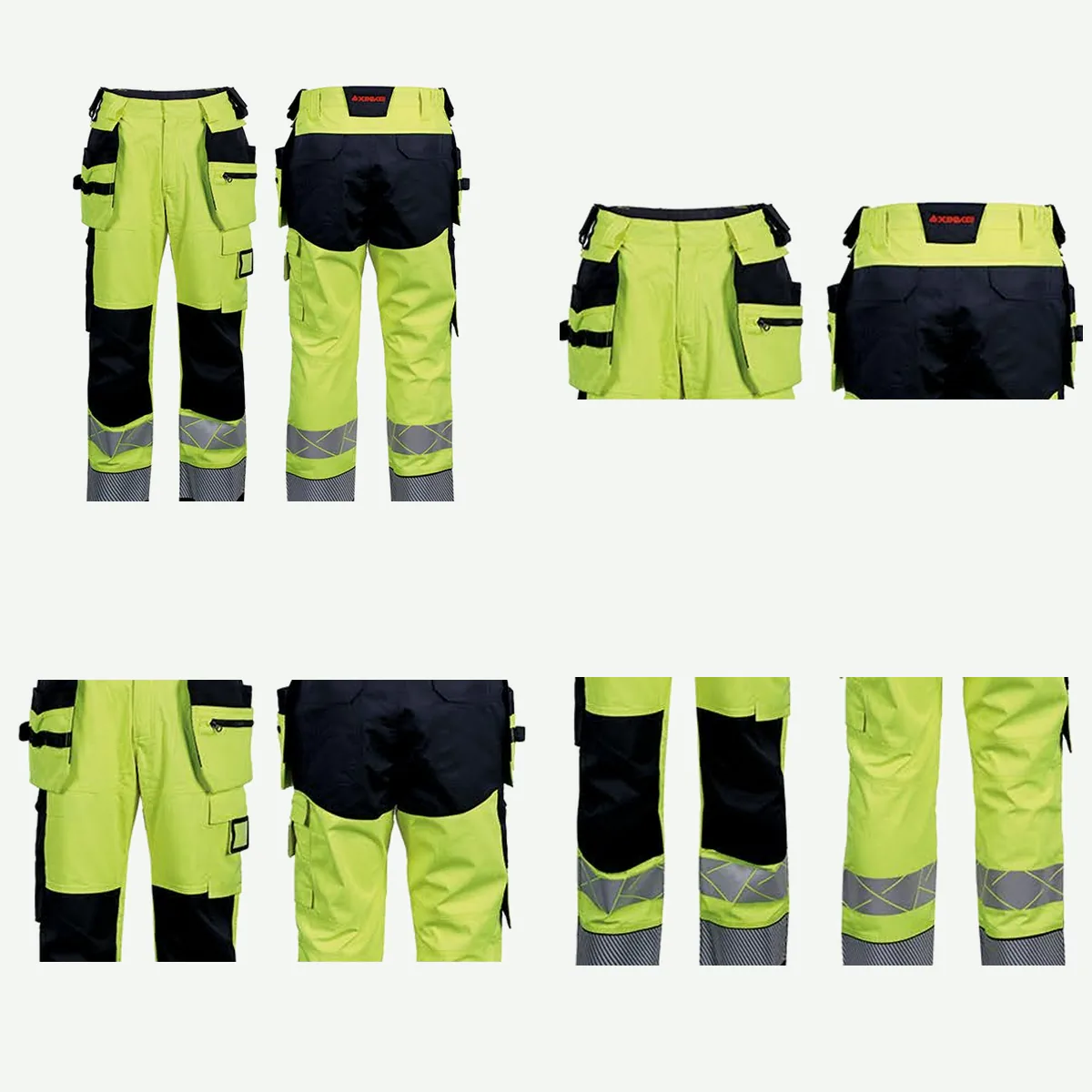
Start with the work zone and the employer’s risk assessment, then confirm the finished garment—not only the tape or fabric.
Read guide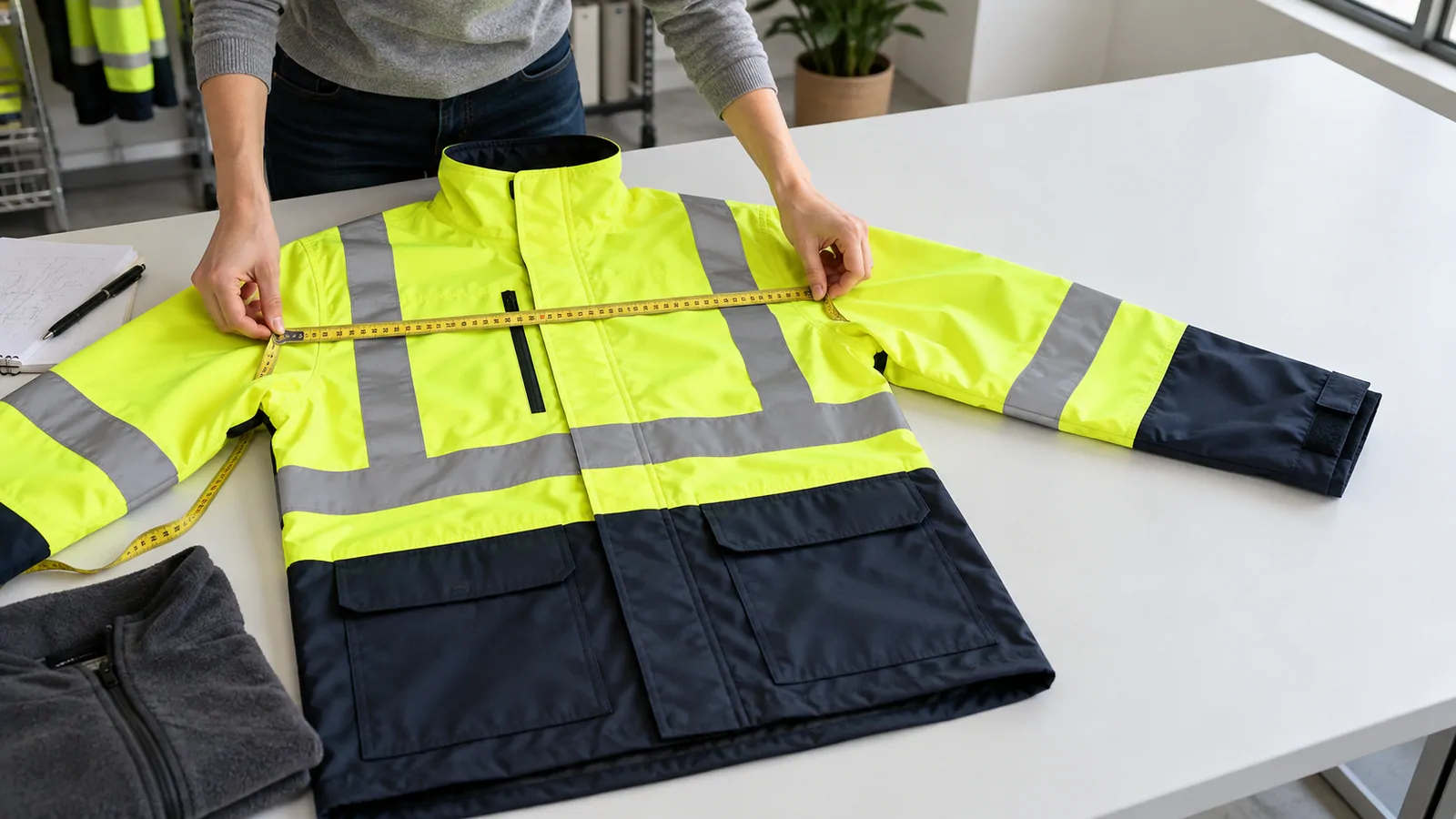 Standards · 5 min read
OSHA requirements and consensus standards play different roles; buyers should avoid treating one label as a complete site assessment.
Read guide Standards · 5 min read
Check color, retroreflection, minimum material areas, placement and the exact finished configuration supplied.
Read guide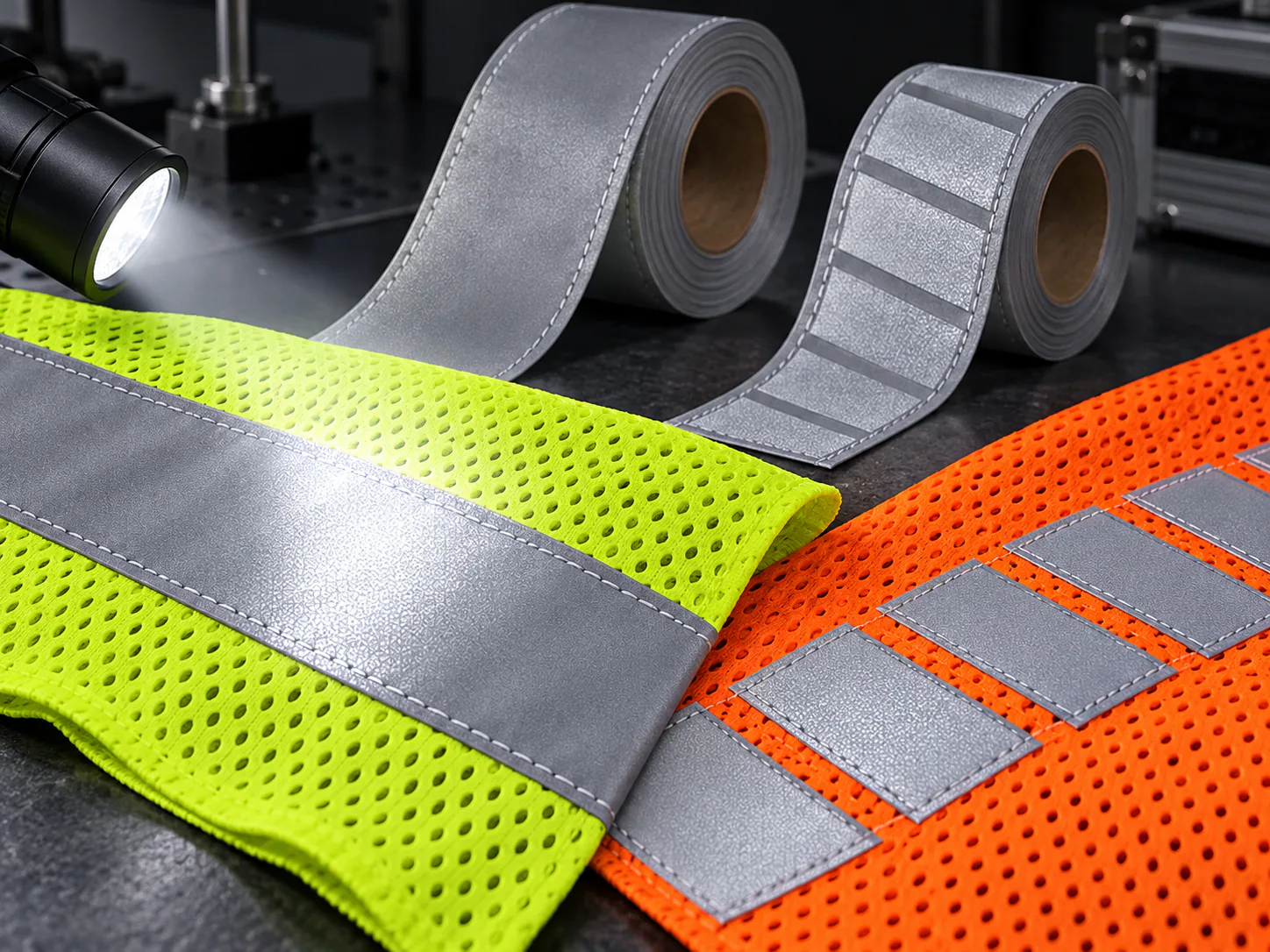 Materials · 5 min read
Fluorescent background material supports daytime conspicuity; retroreflective material returns light toward its source in low-light conditions.
Read guide Selection · 5 min read
Choose for the environment, task, local rules and contrast—not personal preference or a screen swatch.
Read guide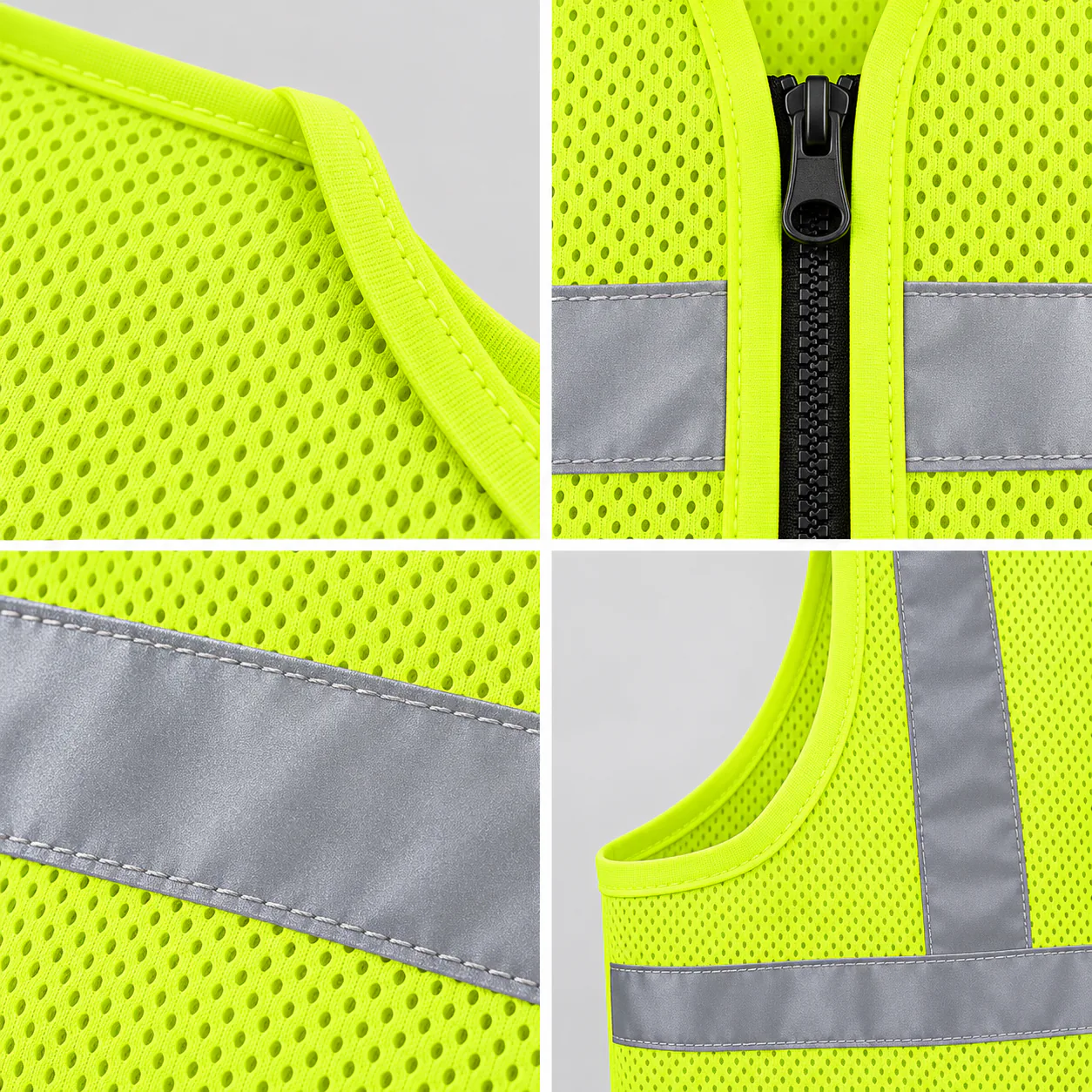 Selection · 5 min read
Mesh favors airflow and low weight; solid fabric supports structure, printing and loaded pockets. The right choice depends on wear time and equipment carried.
Read guide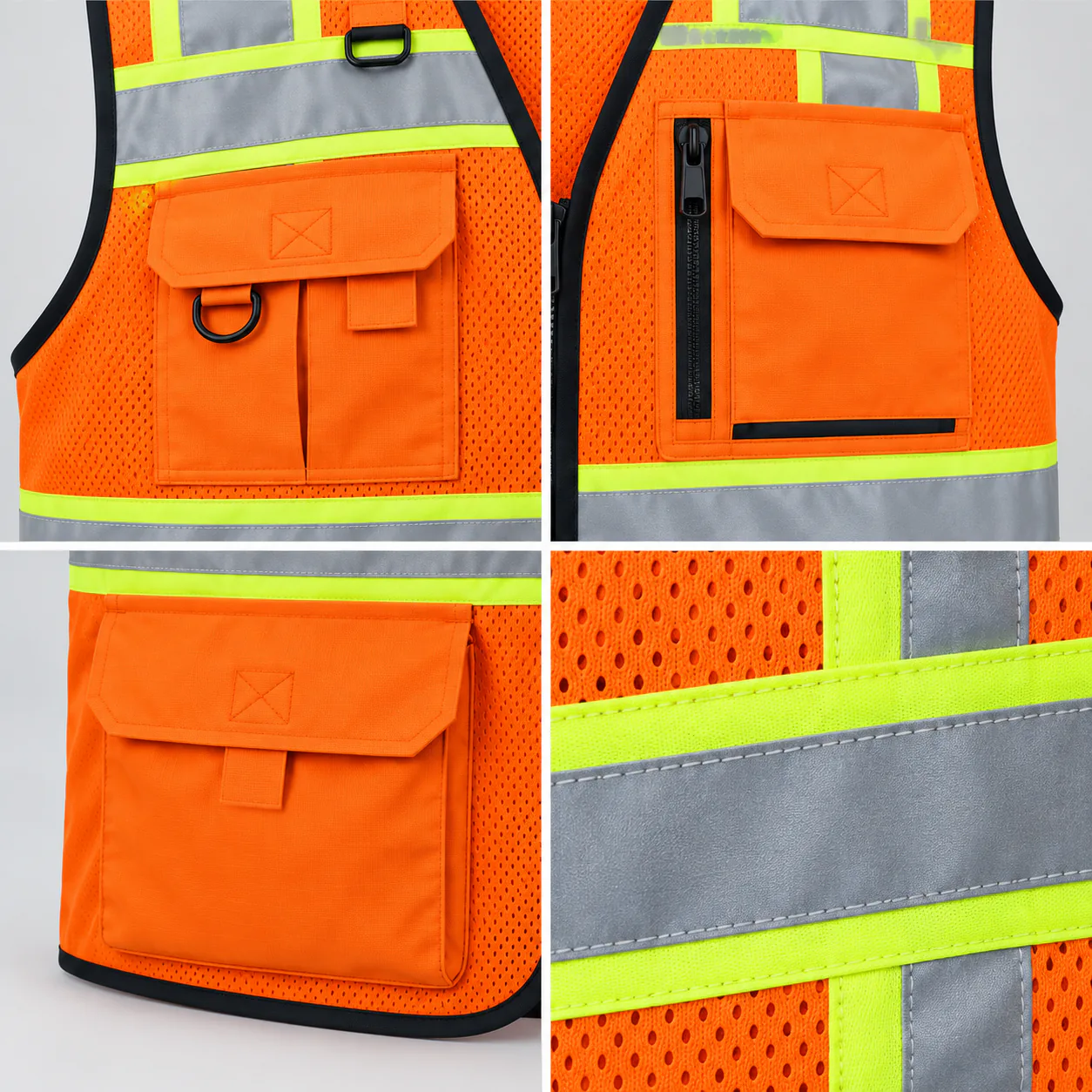 Selection · 5 min read
Count the tools and access points, not the marketing labels. Every pocket should have a defined wearer use.
Read guide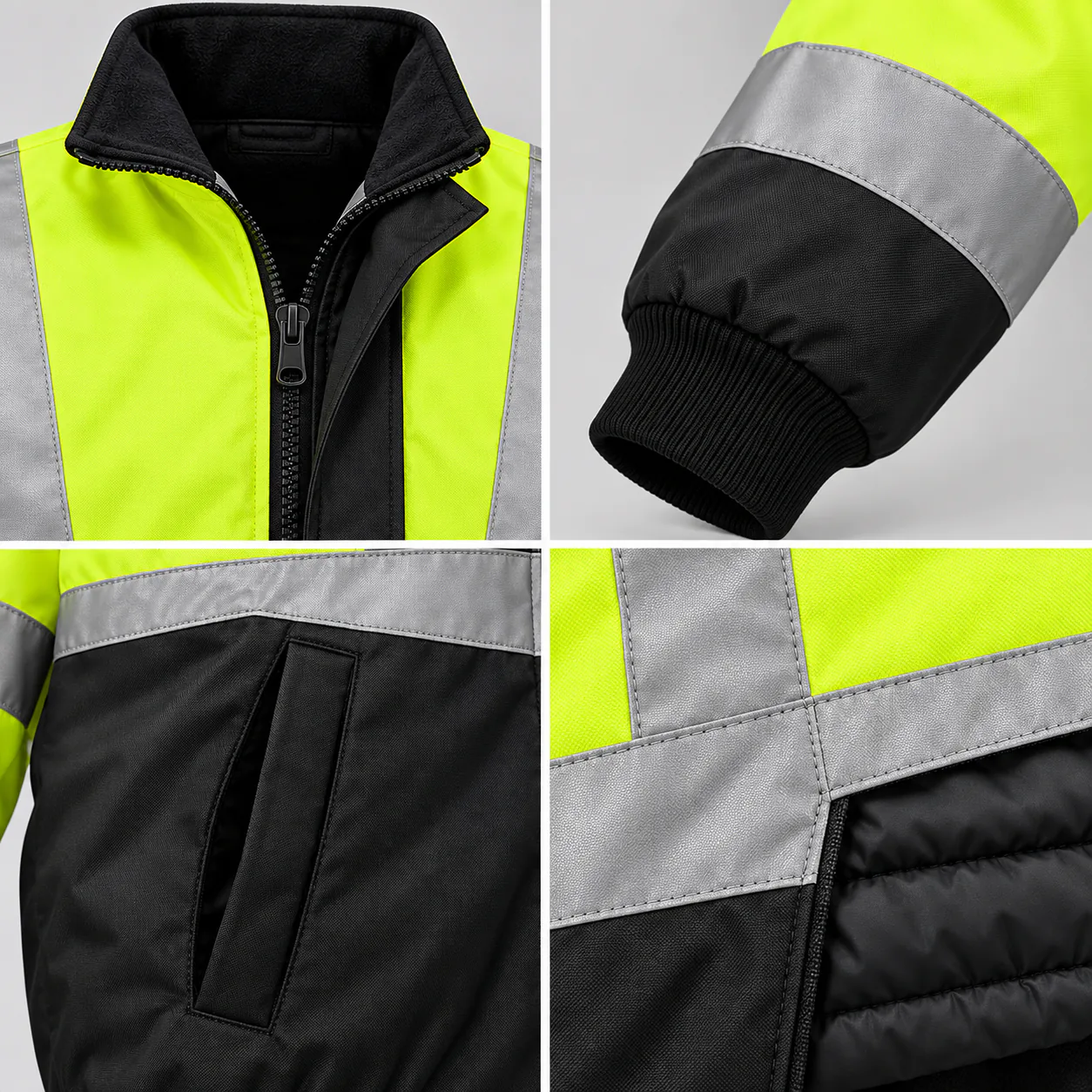 Fit · 5 min read
Fit the complete clothing system, not a T-shirt-only measurement.
Read guide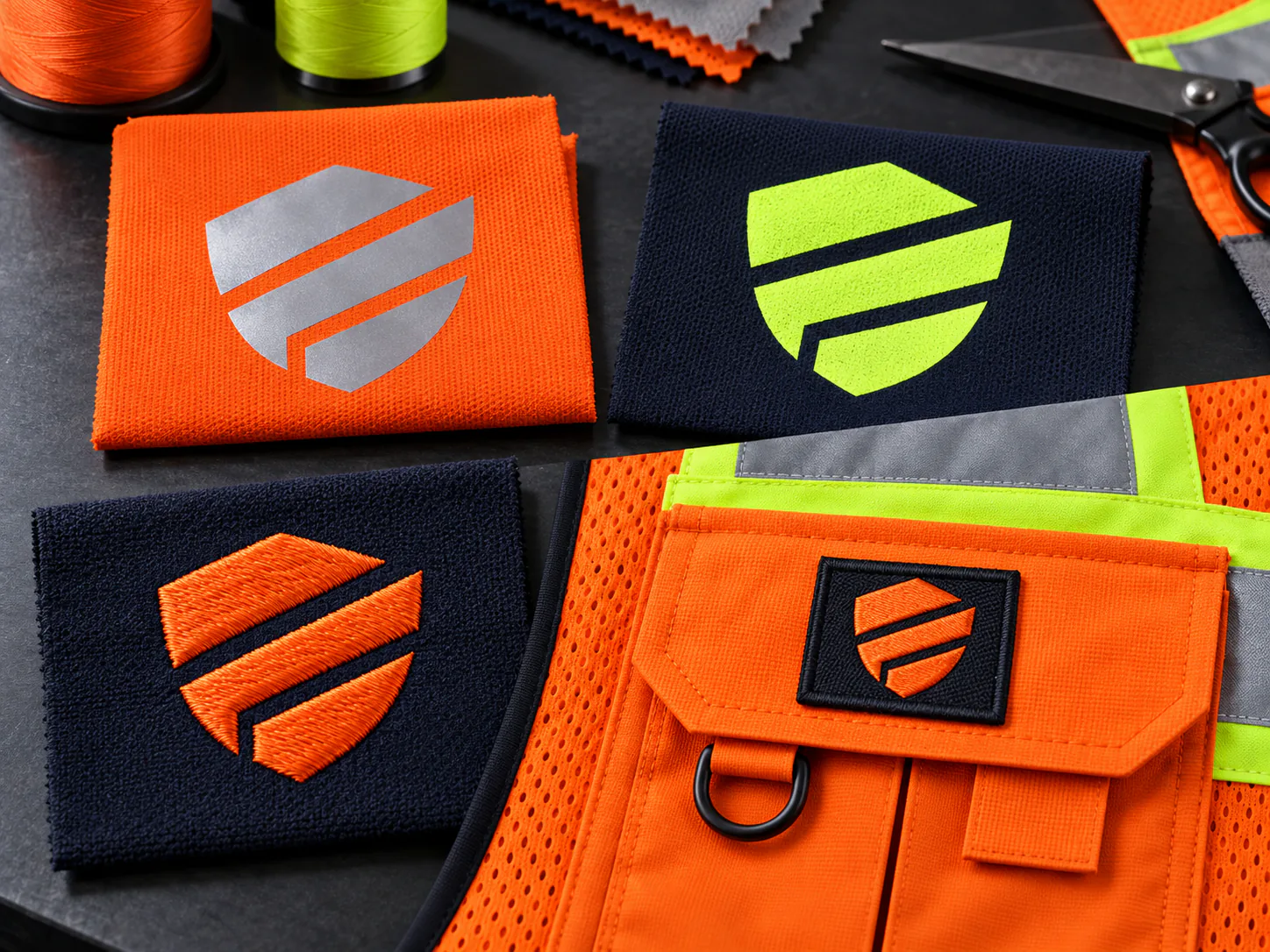 Branding · 5 min read
Select the method by fabric, artwork, wear environment, placement and desired finish.
Read guide Sourcing · 5 min read
A usable brief identifies the product, wearer, market, quantity, material direction, branding and approval path.
Read guide Ordering · 5 min read
MOQ is usually driven by the least flexible material or process in the approved specification.
Read guide Sampling · 5 min read
Approve fit, construction, materials, color, reflective details, branding, labels and packing against one written specification.
Read guide Ordering · 4 min read
Lead time begins with an approved, available specification—not the first inquiry email.
Read guide Materials · 5 min read
Compare tape construction, width, placement, comfort and the finished garment—not a roll sample alone.
Read guide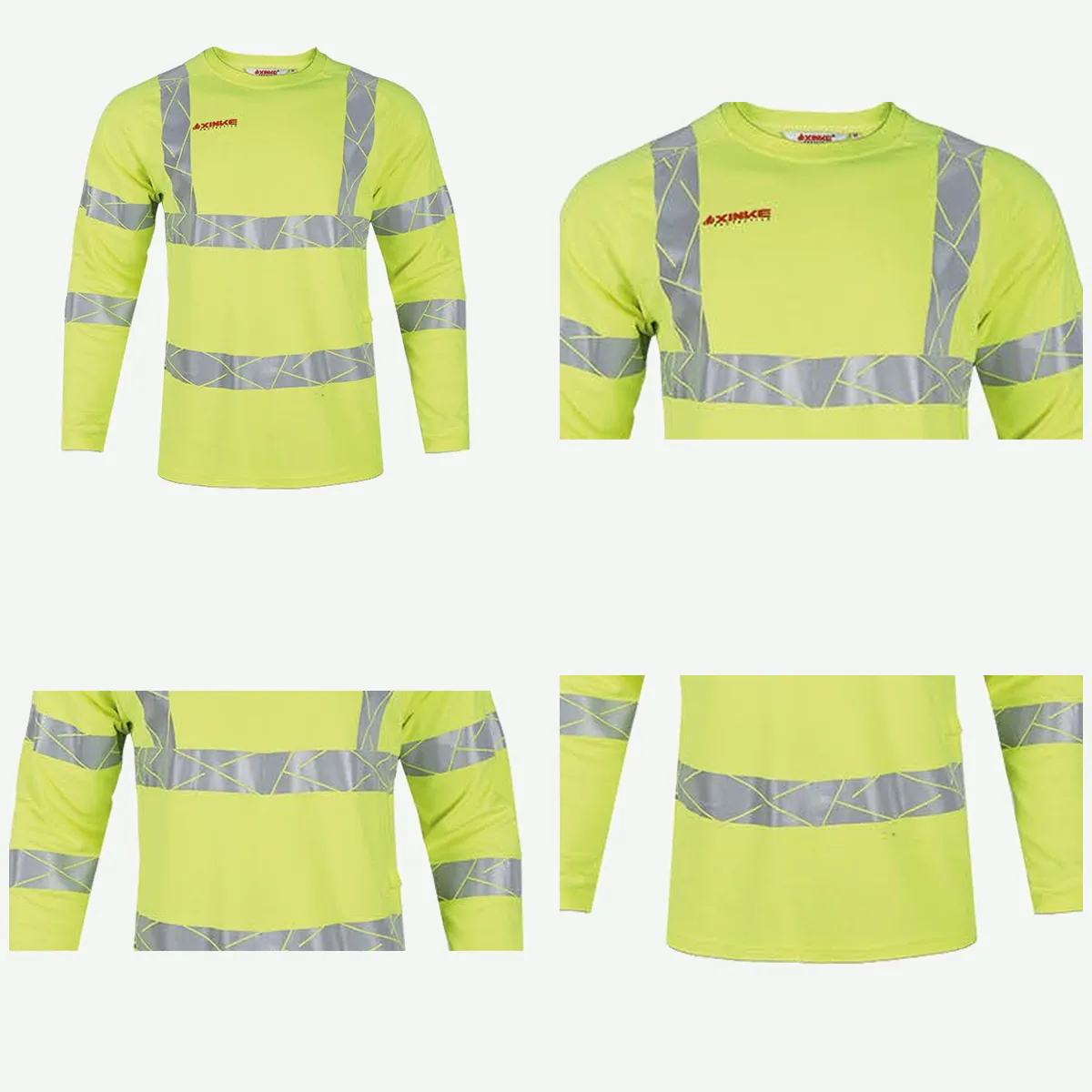 Care · 5 min read
Follow the exact care label and inspect the garment regularly for fading, damage, contamination and reduced reflective appearance.
Read guide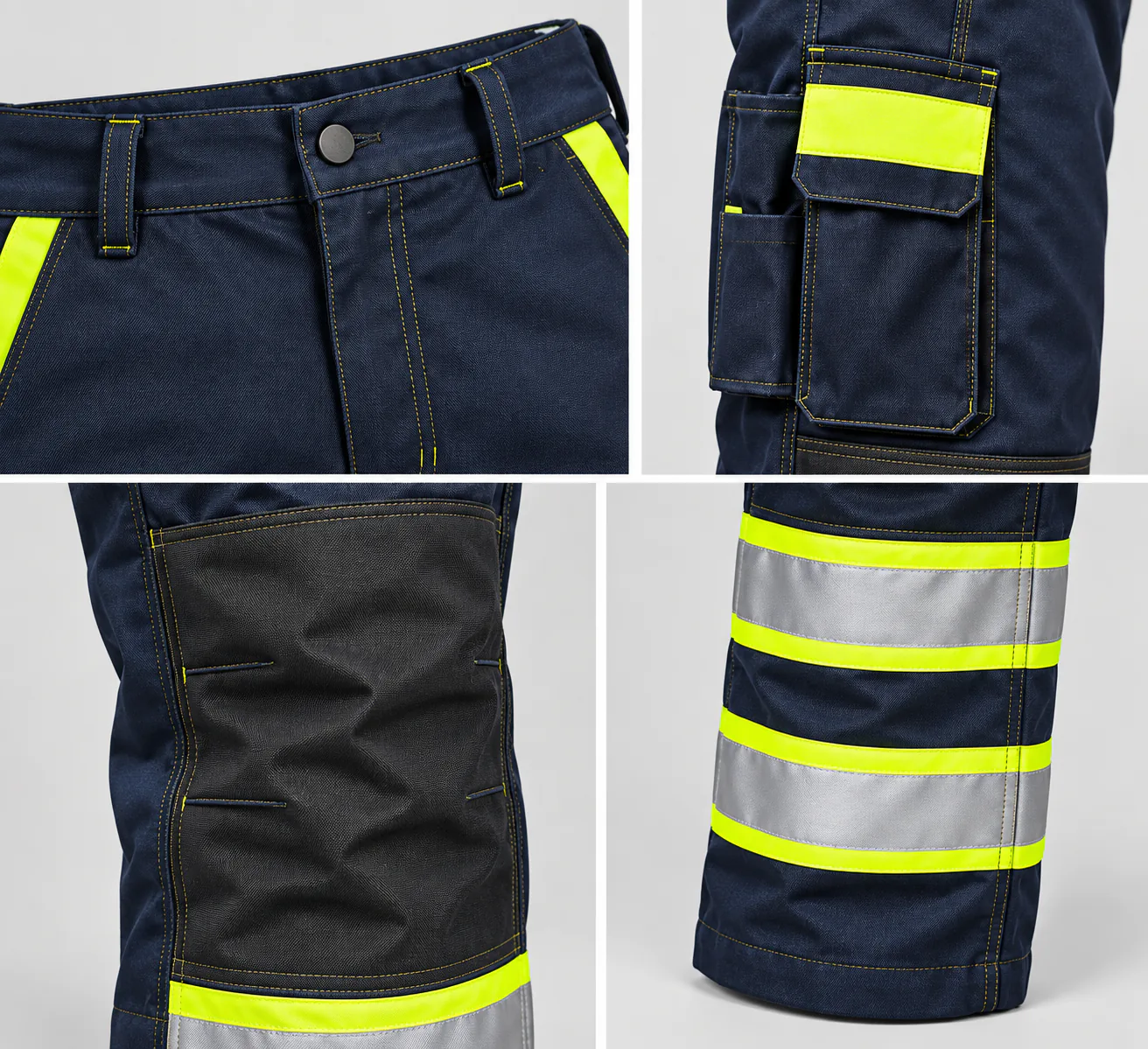 Selection · 5 min read
Lower-body garments should be reviewed as part of the intended ensemble and work task, not as a stand-alone color choice.
Read guide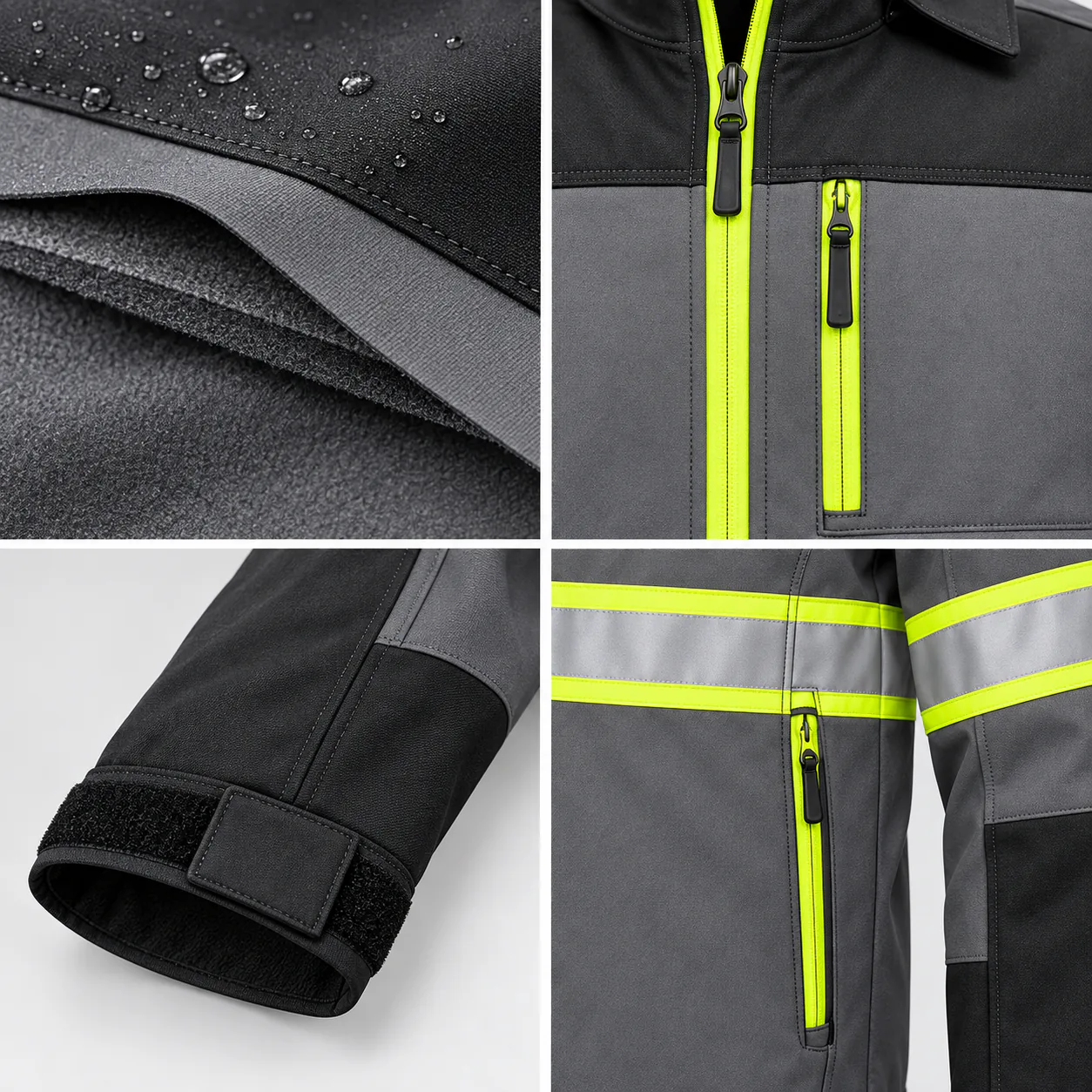 Selection · 5 min read
Build a layer system around weather exposure, activity level, closures, visibility and drying needs.
Read guide Industries · 5 min read
Map traffic exposure, task, shift, weather and carried equipment before choosing a vest, shirt, jacket or coordinated set.
Read guide Branding · 5 min read
Treat labels and packing as controlled product components, not final-minute decoration.
Read guide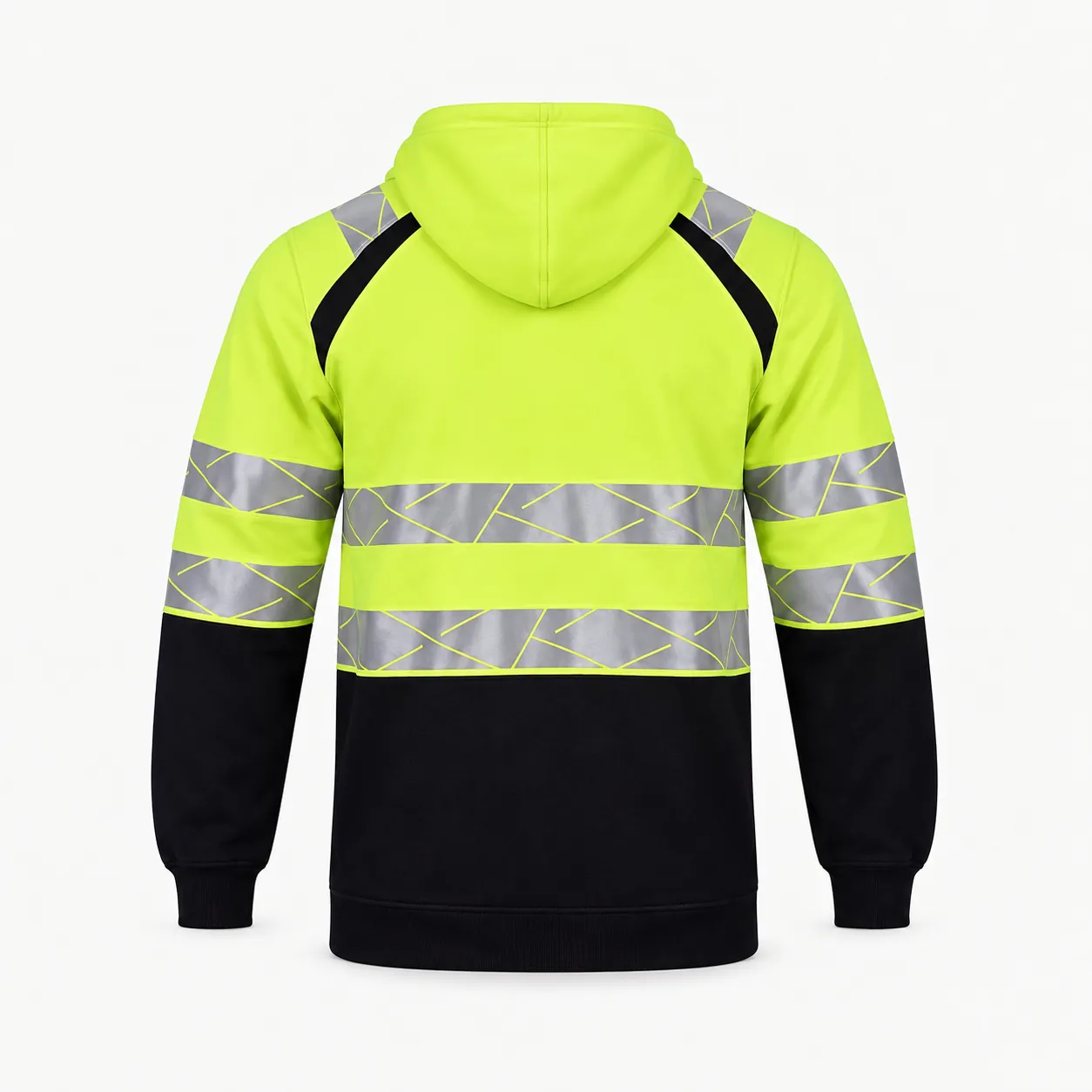 Fit · 5 min read
A women-specific product needs its own fit, grading and wearer review—not a smaller label on a unisex block.
Read guide Sourcing · 5 min read
Compare specification control, samples, material traceability, communication and repeat-order discipline—not only the first unit price.
Read guide