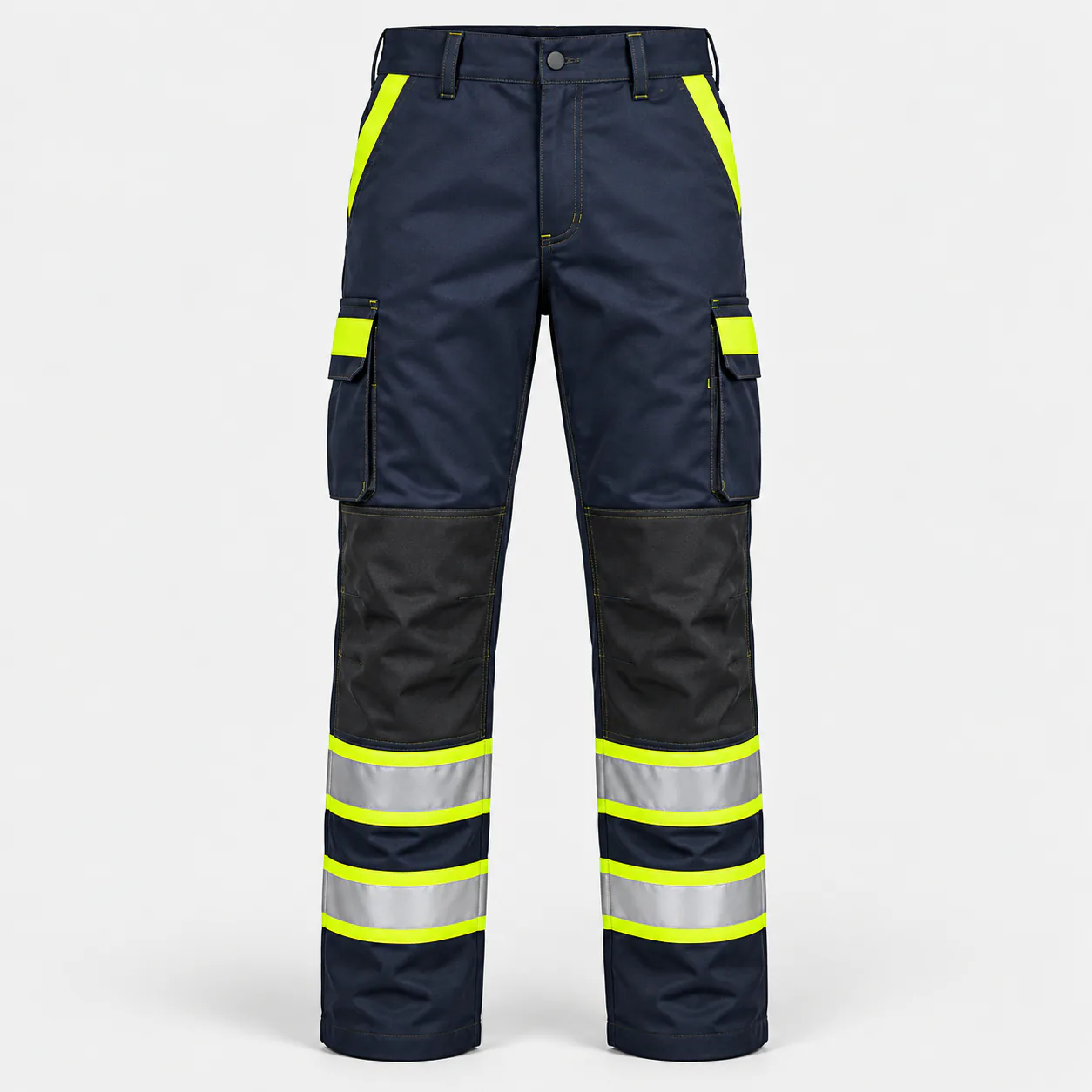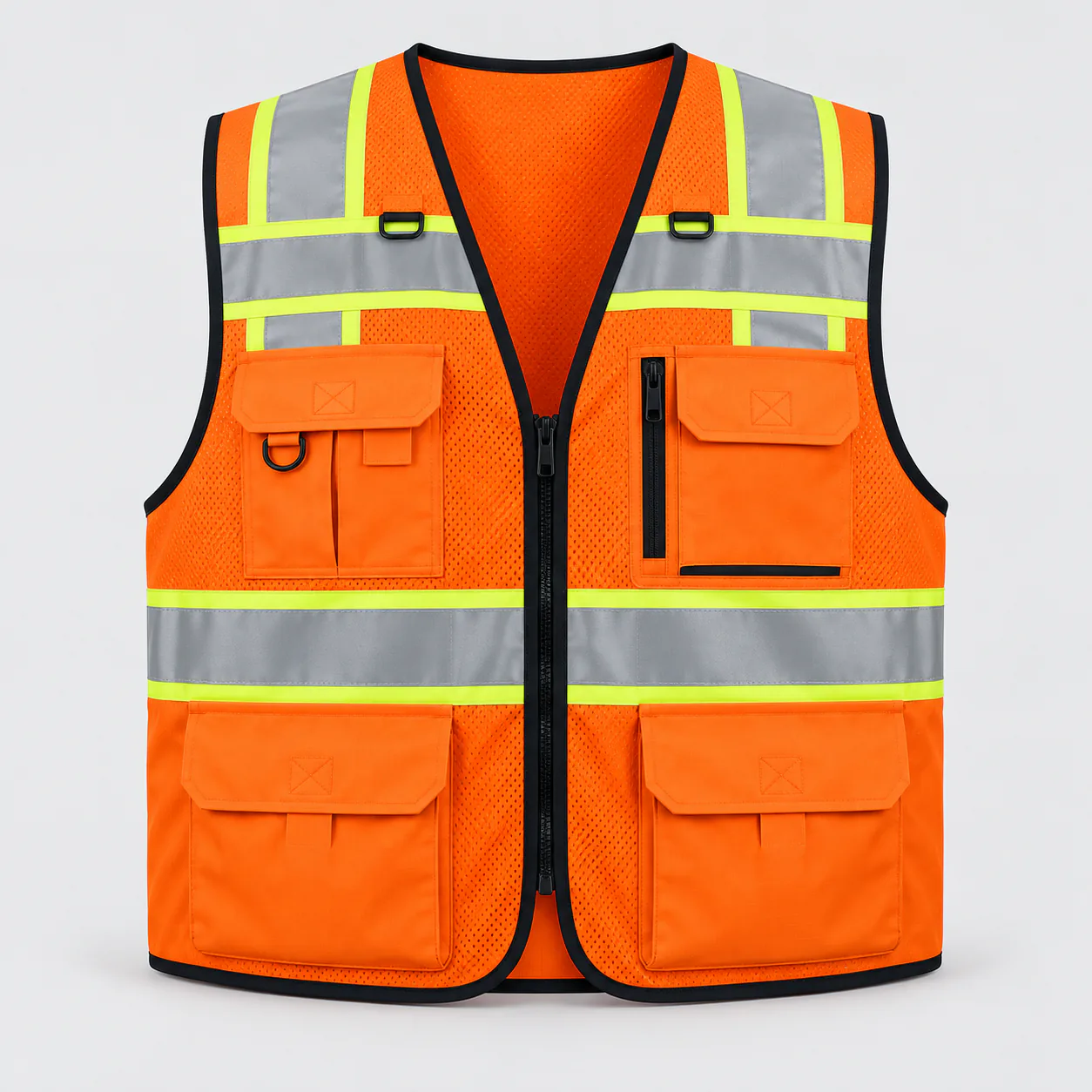
Class 2 Surveyor Vest
- Material
- Solid knit or woven
- Use
- All Season
Plan conspicuity, practical storage and layering for crews working near moving traffic and equipment.
Product recommendations are starting points. The buyer’s risk assessment, intended use and final product documentation determine the approved specification.
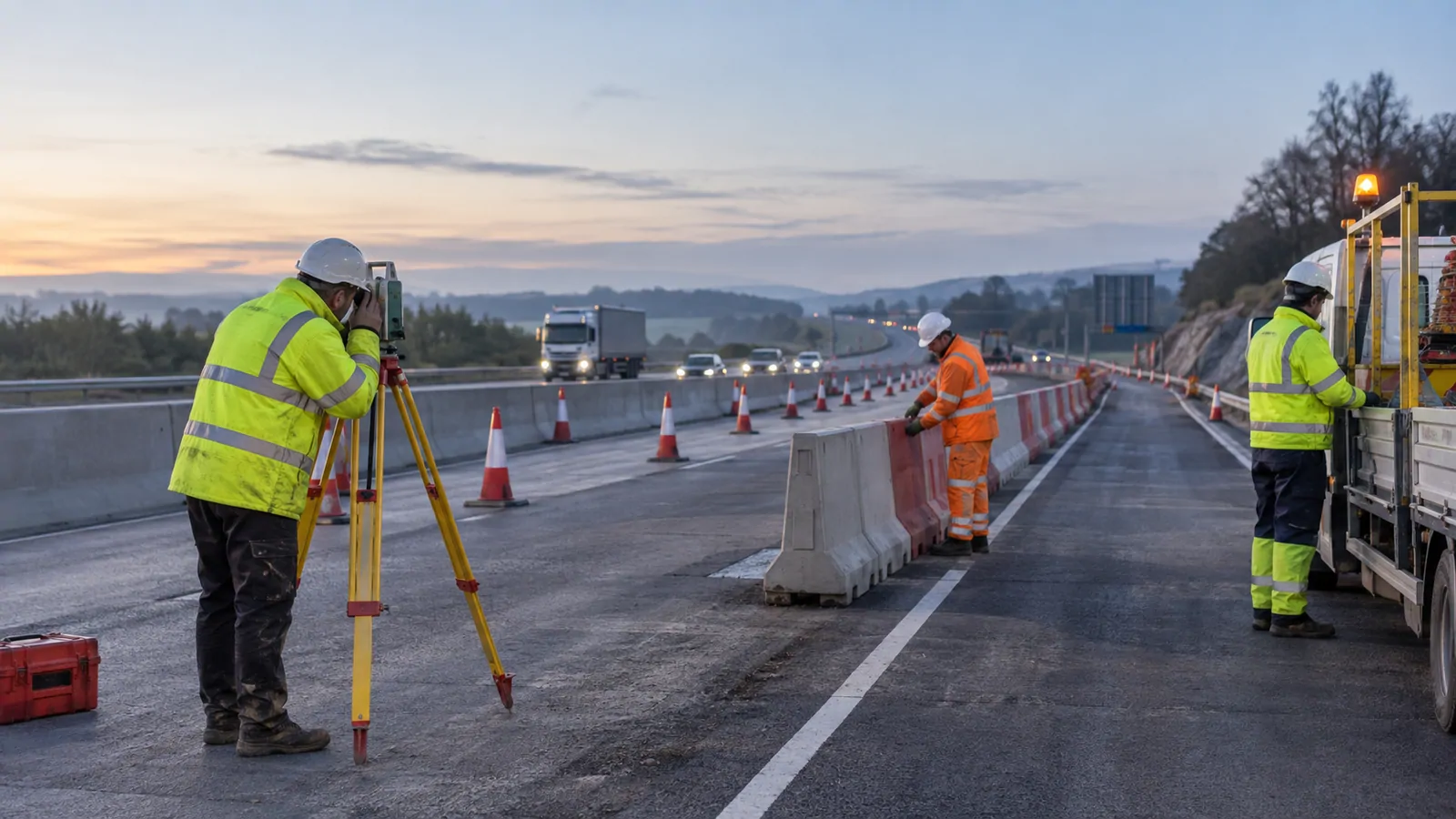
Under MUTCD Section 6C.05, all workers within the right-of-way who are in a temporary traffic control zone, including emergency responders, shall wear ANSI/ISEA 107 Performance Class 2 or 3 apparel. The background must be fluorescent orange-red, fluorescent yellow-green or a combination, and flaggers should wear Class 3 at night.
OSHA’s flagger rule, 29 CFR 1926.201(a), refers to the same part of the MUTCD. Agencies and contracts may set stricter specifications, so record them in the brief before the range is designed.
| Role | Typical garment | Why |
|---|---|---|
| Flagger, day | Class 2 or 3 vest or shirt | Static work facing traffic |
| Flagger, night | Class 3 sleeved top or ensemble | Headlight conditions |
| Surveyor | Vest with instrument storage | Tablet, plans, radio |
| Supervisor | Vest or jacket with storage | Radio and documents |
| Equipment operator | Breakaway vest | Cab access, snag points |
The MUTCD says flaggers should wear Class 3 at night. For other workers in a temporary traffic control zone, Class 2 or 3 is required, and agency rules or the employer’s hazard assessment can call for Class 3.
The MUTCD allows background material in fluorescent orange-red, fluorescent yellow-green or a combination. Retroreflective material may be orange, yellow, white, silver, yellow-green or a fluorescent version of these.
Yes. Under ANSI/ISEA 107, a Class E item worn with a Class 2 top forms a Class 3 ensemble. Specify and issue both pieces together, because the class depends on both.