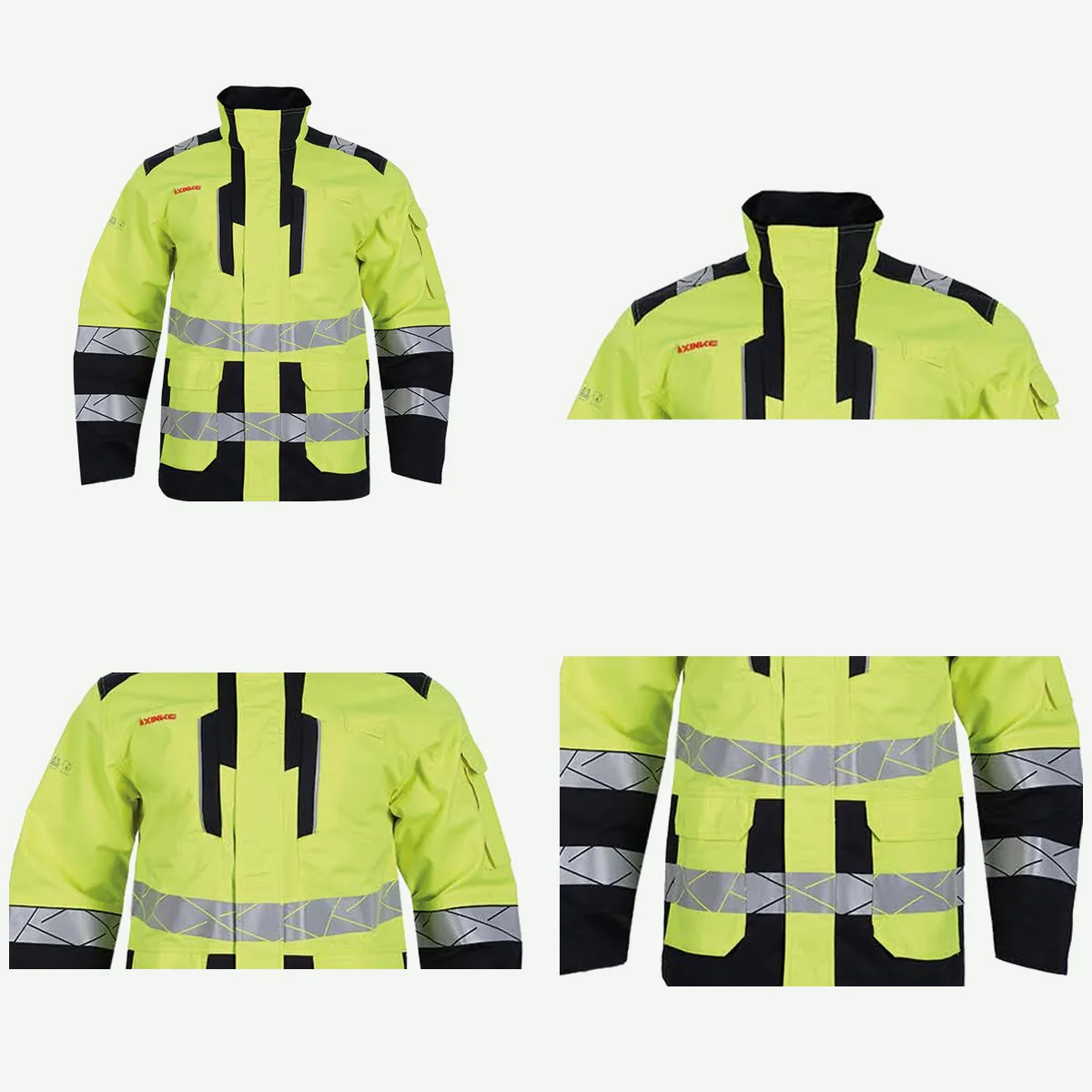
Send every supplier the same written brief and compare like for like: the specification each quote assumes, sample quality, documents for the finished garment, MOQ and lead time by route, change control and repeat-order consistency, not only the unit price. Ask each supplier to list assumptions and exclusions. A quote is only comparable when the garment behind it is the same.
Normalize the brief first
Differences in price usually reflect differences in the garment: fabric weight, tape type and width, pocket count, logo method, packing and delivery basis. Send one written brief to every supplier and ask them to restate it in the quotation. Where a supplier proposes a change, ask for it as a separate option, so the base quotes stay comparable and you can judge the advice on its merits.
Supplier scorecard
Score each supplier on evidence rather than impressions.
| Area | What to compare | Evidence |
|---|---|---|
| Specification | Assumptions stated | Written quotation |
| Samples | Workmanship, accuracy | Physical sample |
| Documents | Scope of reports | Report naming the style |
| MOQ and lead time | By route, in writing | Quotation terms |
| Change control | How revisions are recorded | Revision record |
| Communication | Clear, timely answers | Reply to the brief |
| Repeat orders | Specification retained | Approved sample kept |
Read test documents carefully
A test report is only useful if it covers the garment you are buying. Check that it names:
- The garment style or model, not only the fabric or tape.
- The standard and edition, such as ANSI/ISEA 107-2020 or EN ISO 20471.
- The class and, for ANSI/ISEA 107, the garment type.
- The laboratory and the test date.
- For EU sales, the EU type-examination certificate and declaration of conformity for this configuration.
- Any conditions, such as the stated maximum number of cleaning cycles.
Component or finished garment?
A tape or fabric certificate describes one component. The class depends on the finished garment, after pockets, logos and dark panels, in every size ordered. If a supplier offers only component documents, ask how the finished configuration is assessed. Changing color, material, tape layout, pockets or logo placement means the finished configuration must be reviewed again, so documents for an earlier version may not cover the new one.
Compare the sample process
Ask how each supplier records sample comments, who approves materials and colors, and how the approved sample is kept for bulk comparison. A supplier that freezes the specification revision, measures samples against tolerances and photographs agreed details makes bulk production easier to check. At Safvero, samples and pre-production samples are confirmed case by case through an inquiry.
Compare commercial terms in writing
Confirm the MOQ for each route, the lead time from approval, sample arrangements, packing and delivery basis in writing. For reference, Safvero's standard factory MOQ is 100 pieces, fully customized products have an MOQ of 300–500 pieces, in-stock products ship within 7 days, customization of in-stock products is completed within 15 days and full customization follows a 25-day schedule. The lowest quote is not always the one with the fewest exclusions.
Questions to ask both suppliers
Ask the same questions of every supplier and keep the answers with the quotations.
- Which fabric, weight and tape does the quote assume?
- What are the MOQ and lead time for this route?
- Which samples come before bulk, and on what terms?
- Which documents cover this exact style and configuration?
- How are changes and substitutions approved and recorded?
- How is the approved specification kept for repeat orders?
Warning signs in a quotation
These gaps usually mean the quote is not comparable yet. Ask for them to be closed in writing.
- No fabric weight, tape type or tape width stated.
- Documents that name only the tape or fabric.
- No written MOQ or lead time for the route.
- No plan for keeping the approved sample.
- Vague answers about material substitutions.
Review repeat-order controls
The first order shows what a supplier can make; repeat orders show what it can keep. Ask how each supplier retains the approved specification, labels and packing details, manages material substitutions and reports changes before production. A clear repeat-order process protects the color, fit and classification that were approved the first time.
Common questions
How do you compare workwear quotes?
Send every supplier the same written brief and ask each to list assumptions: fabric weight, tape, pockets, logo method, packing and delivery basis. Compare quotes only where the garment is the same, and treat proposed changes as separate options.
What documents should a hi-vis workwear supplier provide?
Documents that name the finished garment style, the standard and edition, the class and type, the laboratory and the test date. For EU sales, the EU type-examination certificate and declaration of conformity must cover the exact configuration. A tape certificate alone does not classify a garment.
Is the cheapest workwear quote the best value?
Not necessarily. A lower price can reflect lighter fabric, different tape, fewer pockets or exclusions such as packing or samples. Compare the specification behind each quote, the sample quality and the documents before comparing price.
Should I order samples from more than one supplier?
Often, yes, when the order is large or the garment is new. Comparing physical samples against the same specification shows differences in workmanship, materials and fit that quotations do not. Ask how each supplier records and keeps the approved sample.
Sources and further reading
ISEA: ANSI/ISEA 107-2020 high-visibility safety apparelISO 20471 overviewRegulation (EU) 2016/425 on personal protective equipmentConstruction buyer discussion: vest qualityTurn the guide into a product brief.
Choose a product or send the requirement that still needs a recommendation.
Explore workwear