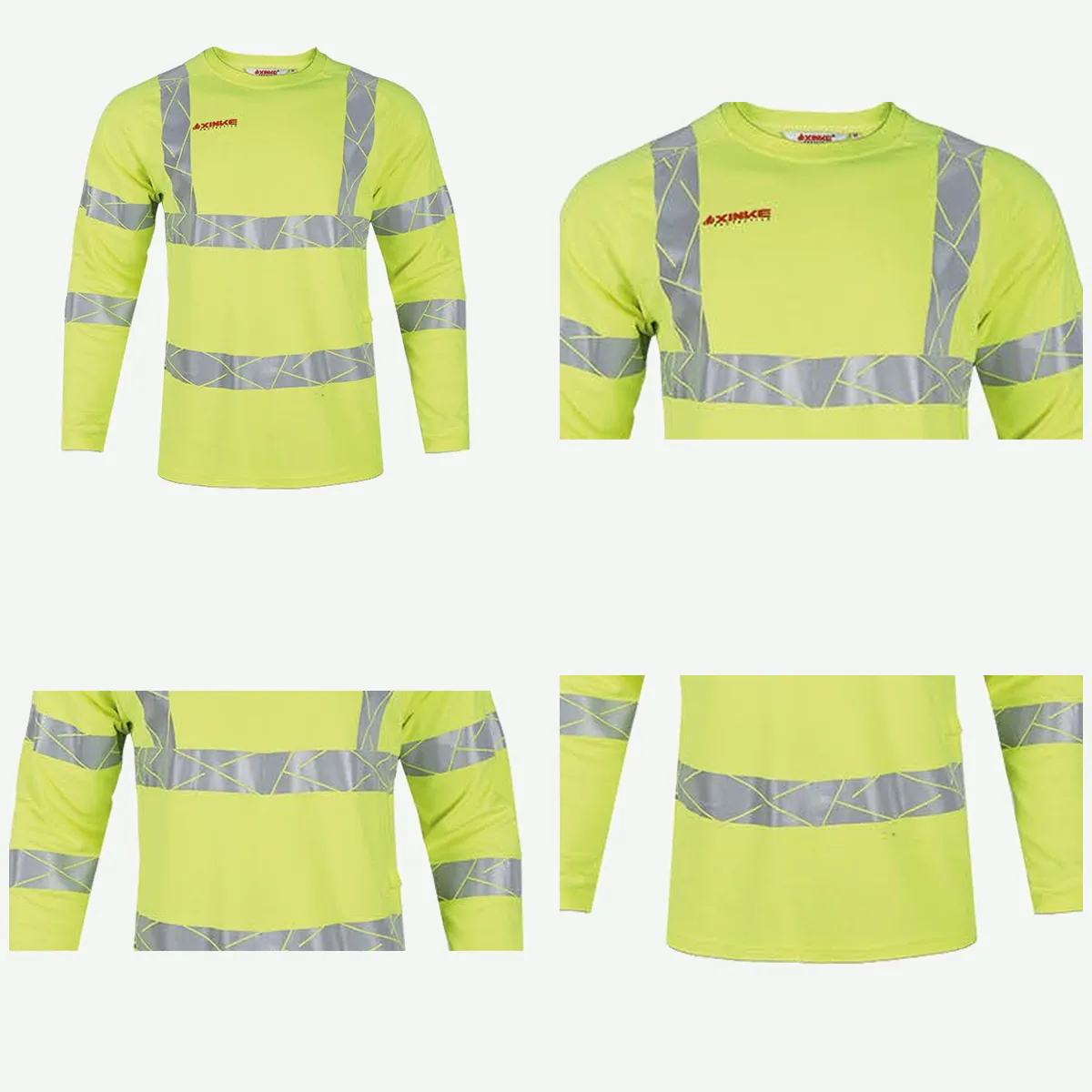
Wash high-visibility garments exactly as the care label states, inspect them after every cleaning, and replace them when color fades, tape cracks or peels, contamination will not wash out, the fabric is damaged or the garment reaches its stated cleaning-cycle limit. Under EN ISO 20471, the manufacturer determines and states that maximum number of cleaning cycles. Use industrial laundering only for garments made for it and tested with procedures such as ISO 15797.
Start with the care label
The care label sets the limits for washing, drying and finishing, and it should match the finished garment. In the United States, the FTC Care Labeling Rule requires a care label that stays attached and legible for the garment’s useful life, with a reasonable basis for its instructions. Care symbols follow ISO 3758 internationally, and ASTM D5489 symbols are accepted in the United States. For garments sold under EN ISO 20471, also check the stated maximum number of cleaning cycles before planning the wash route.
Domestic or industrial laundering?
The wash route changes how quickly color and tape wear. Match the garment to the route before ordering, not after the first laundry cycle.
| Factor | Domestic washing | Industrial laundering |
|---|---|---|
| Test procedures | ISO 6330 | ISO 15797 |
| Where it happens | Home machines | Laundry or rental service |
| Who controls it | Each wearer | The laundry program |
| Main risk | Label not followed | Garment not rated for it |
| Confirm first | Label limits, drying | Tested route, cycle limit |
| Records to keep | Issue date, condition | Cycles per garment |
What damages fluorescent color and tape?
Bleach and harsh detergents fade fluorescent dyes. Fabric softener can leave a film on retroreflective tape and dull its return. High dryer heat, ironing or pressing over the tape can crack the surface or lift heat-applied trim. Heavy or abrasive items in the same load, and open hook-and-loop fasteners, scuff the tape. Solvents and degreasers can attack adhesives and coatings. Where the label allows, wash garments inside out, close fasteners and wash similar items together so fabric and tape wear evenly.
Count the cleaning cycles
EN ISO 20471 requires the manufacturer to determine and state the maximum number of cleaning cycles the garment withstands without losing performance. That limit assumes the stated care route, so washing outside the label can shorten the garment’s useful life. Once a garment reaches the limit, performance is no longer assured. Rental and industrial-laundry programs can track cycles per garment with tags or wash logs. For home-washed garments, issue dates and a simple wash estimate give supervisors a practical trigger.
Inspection checklist
Inspect after each cleaning and before reissue. Check fabric in good light, and check tape with a flashlight held close to your eyes so the returned light is visible.
- Fluorescent background: faded or uneven color compared with an unworn reference garment.
- Retroreflective tape: cracks, peeling edges, missing segments or dull patches.
- Contamination: oil, paint, tar or grime that will not wash out.
- Construction: tears, burns, broken closures and loose stitching at tape edges.
- Labels: legible care, class and size information.
- Fit: shrinkage or stretch that leaves the garment open or riding up.
When should hi-vis workwear be replaced?
Replace a garment when any inspection point fails and cleaning cannot restore it, or when it reaches its stated cleaning-cycle limit. Avoid improvised repairs, such as patching with tape from another source, because the repaired garment is no longer the configuration that was assessed. Keep replacement stock on hand so supervisors can swap items immediately. In US general industry, OSHA 29 CFR 1910.132 generally places the cost of required PPE on the employer, so plan replacements into the program budget.
How should hi-vis garments be stored?
Store garments clean and dry, away from direct sunlight, fuel, solvents and sharp edges. Ultraviolet light fades fluorescent color even when a garment is not being worn, and chemicals can damage tape. Hang garments or fold them loosely, because tight creases across the tape and heavy items stacked on top can crack it over time. Keep wet or contaminated garments apart from clean stock, and dry them fully before storing. Issue older stock first so garments do not age on the shelf.
Specify the care route when ordering
Care performance starts at specification. Tell the manufacturer whether garments will be washed at home or industrially laundered, which detergents and finishing processes the laundry uses, and whether flame resistance is required. FR garments need FR-compatible tape, thread and trims that suit the same route. Ask for care information that matches the finished configuration, not a generic fabric sheet. At Safvero, changing material or tape layout means the finished configuration must be reviewed again.
Common questions
How many times can you wash a hi-vis vest?
There is no universal number. Under EN ISO 20471, the manufacturer determines and states the maximum number of cleaning cycles the garment withstands without losing performance. Check the label or care information, follow the stated care route, and retire the garment sooner if inspection shows faded color or damaged tape.
Can you put hi-vis clothing in the dryer?
Only if the care label allows it, and only at the setting it states. High heat can crack retroreflective tape or lift heat-applied trim. If the label does not permit tumble drying, line dry the garment away from direct sunlight, because ultraviolet light gradually fades fluorescent color.
Can reflective workwear go through an industrial laundry?
Only when the garment is designed and tested for it. ISO 15797 describes industrial washing and finishing procedures used to test workwear intended for industrial laundering. Confirm the tested route and the stated cleaning-cycle limit for the finished garment before enrolling it in a laundry or rental program.
When should a reflective safety vest be replaced?
Replace it when the fluorescent color has faded, tape is cracked, peeling or missing, contamination will not wash out, the vest is torn or burned, labels are illegible, or it has reached its stated cleaning-cycle limit. Keep spare stock so supervisors can swap damaged vests immediately.
Sources and further reading
ISO 20471 overviewEU-OSHA OSHwiki: reflective clothingISO 15797: industrial washing procedures for testing workwearFTC: complying with the Care Labeling RuleOSHA 29 CFR 1910.132: general requirements for PPEHSE personal protective equipment guidanceTurn the guide into a product brief.
Choose a product or send the requirement that still needs a recommendation.
Explore workwear